A Roofing Tools List for New Residential Contractors
Purchasing tools and equipment for steep-slope roofing work is a relatively straightforward task. However, the roofing tools list for a veteran contractor equipping a second or third crew may look different than the checklist of a contractor just starting out in the residential roofing business.
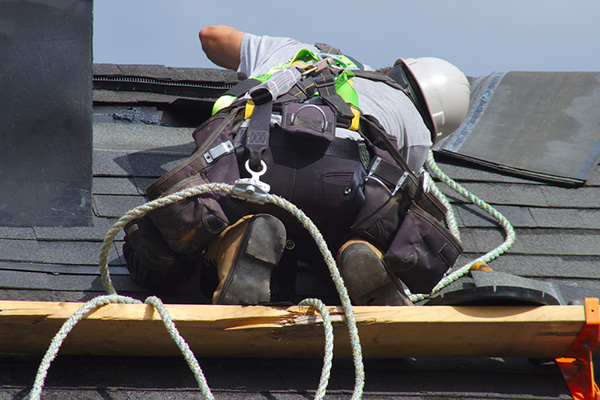
The new residential specialist is challenged with creating a balance between productivity and affordability when choosing key tools for a smooth start in the market. The contractor with several years of experience under their tool belt is more firmly established financially, and already knows the equipment that best meets the company's needs.
Roofing professionals who have been in the game for a while want the latest in labor-saving tools and equipment to help their crews complete more work in less time while minimizing the risks of accidents. In the face of the current labor shortage, they may splurge more on tools that increase productivity when putting together a roofing tools list.
New residential roofing contractors often have a different priority: Buying the tools that are absolutely necessary to set them up for success without going over a new contractor's modest budget.
Big-Ticket Items
The debate over the finished quality of hand- versus pneumatic-nailing rages on, but new companies have little choice: They simply cannot afford to spend an extra day (or more) hand-nailing every shingle on a roof. Fortunately, there are a variety of affordable roofing nailers to choose from. It's best to buy two nail guns to ensure you have a backup plan if one breaks and needs repairs. Start with two nailers and two 150 psi portable air compressors and air hoses. When using two nail guns on one large roof, remember to adjust the equipment for consistency in nail depth and angle before mounting the roof, and periodically during the day.
The next critical item is a 32-foot fiberglass extension ladder. You might get away with a 24-foot ladder, but that will limit your company's reach on three-story homes and light commercial projects. Look for a duty rating of 375 pounds.
While a ladder will offer safe access to the roof, it won't help you lift shingles safely. Gas- or electric-powered roofing hoists are expensive, however, and manually operated ladder hoists are time- and labor-intensive. Rooftop delivery is by far the most convenient and economical route. If your distributor doesn't offer this service, renting a hoist is the next-best option.
Safety Equipment
It's fairly common to see crews on roof slopes of 4:12 or less working without a personal fall arrest system (PFAS), but you should never work on a steep-slope roof without fall protection. While a fine from OSHA or a local building official might slow you down, a fall can kill both you and your fledgling business.
A PFAS kit is available from some companies for less than $200 per person. These systems can create trip hazards, so it's important your crews are trained in rope management skills to avoid entanglement and fall from tripping on the lifelines.
A critical part of using fall protection equipment is balancing safety with the possibility of creating a greater hazard or adversely impacting worker productivity: Besides training your crew in rope management, train them in how to fit and use a PFAS and enforce the use of personal protective equipment (PPE) on your jobsites. PPE should also include safety glasses, vests and slip-resistant shoes with rubber outsoles that give good traction.
Essential Tools and Accessories
The most expensive item listed below is less than $300, so all together, the one-time cost to equip one or two workers for an average-size residential project is not excessive. Your roofing tools lists should include:
- Basic carpentry tools (e.g., circular saw).
- Bungee cords.
- Caulk gun, roofing cement and sealants.
- Chalk line.
- Cordless drill/driver.
- Pry bar.
- Retractable measuring tape.
- Rolling magnet.
- Roofing hammer and hatchet.
- Roof jacks and planks.
- Roofing nails (2 1/2 inches) and screws (1 1/4 inch).
- Roofing shovel (shingle scraper).
- Roofing tar.
- Roofer's tool belt.
- Tarps.
- Tin snips.
- Utility knife with a rubber handle.
Roofing is a physically demanding job, and can be hazardous. That's why training, experience and the proper roofing tools list are required to thrive in the residential market.