June is National Safety Month. Are You Prepared?
May 13, 2026
National Safety Month, sponsored every June by the National Safety Council, focuses on areas of safety that build awareness and reduce hazards. These measures save lives and prevent injuries, from the workplace to anyplace.
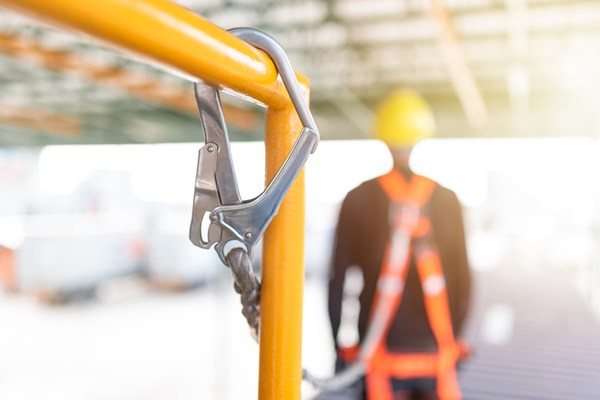
As a roofer, you're exposed to many risks, including dangerous heights, frequent climbing, sloped roofs, extreme temperatures and more. That's why all workers in your crew should stay up to date on the safety protocols they need to practice while on the jobsite.
Even if you didn't mark National Safety Month in June, this is the perfect time to ensure that the safety measures for your roofing business are: 1) appropriate; 2) used by every person on the jobsite and 3) used at every jobsite your company sets up. Here's where to start.
Emphasizing Safety Training
National Safety Month offers an opportunity to look at your existing safety training program. What training might help refresh your crew's knowledge of safety and jobsite hazards? Audits, inspections, toolbox safety talks and illness and injury reports can all help uncover these needs.
To cover safety training from as many angles as possible, ask yourself:
- Are you providing workers with the right equipment for the job (including ladders, scaffolds and safety gear) and making sure they are properly trained?
- Is the crew using any new or updated equipment on the jobsite? If so, workers may need training in the proper setup, safe use and maintenance procedures.
- Are you following OSHA standards, including annual training requirements?
- Have you reviewed your safety training and job-specific training for new employees? Did you see any areas where onboarding could be improved?
Reviewing Safety Procedures Regularly
Talk with your crew on a regular basis so that they understand safety comes first, and ask them for their input in specific areas. For example, falls are a leading cause of fatalities on construction jobsites. Look at cases where any of your employees fell in the last six months to a year. Then, talk with your crew about additional safety protocols that can help prevent future injuries, such as reminding them to always stay harnessed or tethered in when working on roofs.
It's never a bad time to remind your roofers to practice ladder safety. That includes taking the time to safely position a ladder, secure side rails at the top to a rigid support and stabilize it to keep it steady, as well as choosing the right portable ladder in the first place. More ladder safety tips can be found on OSHA's website.
In addition to reminding workers to follow safety protocols, see what you can glean from your injury and illness reports. For instance, a rise in the number of workers suffering from musculoskeletal disorders could mean it's time to look at ergonomic changes or other setups that can help reduce those injuries.
Making Your Jobsite Safe
Whether it's National Safety Month or any other time, contractors should always require every worker to use the appropriate safety gear, such as safety glasses, hard hats and gloves, with no exceptions. Some jobsites may require personal protective equipment such as face masks. Safety gear includes clothing and footwear, too: Wear comfortable clothes that won't get caught in any machinery and work boots that will give traction on the roof.
Safety starts before the first shingle is nailed in place. Train workers to drive safely on-site by following safe practices for keeping a safe following distance, driving at night and parking. Clean up your workspace and the jobsite as you and your crew work. Keeping the site free of debris or other hazards also lessens the chance of an accidental fall. Followed together, all of these procedures help keep health and safety a priority for the entire crew.
Shop Safety on QXO