Gambrel Roofs: A Classic Take on Roofing
Author: Dan Stout | January 16, 2025
Certain styles of roofs resonate with American homeowners, and each unique design plays well with different architectural components. Originally designed for functionality over appearance, gambrel roofs have evolved to become evocative of a time and place (namely the 16th to 18th centuries), giving modern construction the instant charm and curb appeal of rural country barns or Dutch-colonial homes.
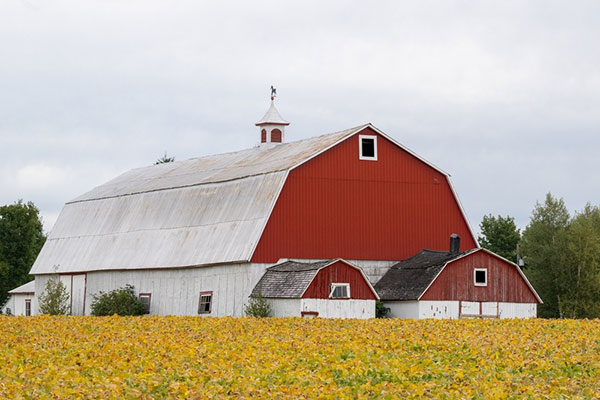
What Is a Gambrel Roof?
Gambrel roofs have two distinct slopes on each side of a central ridge, the lower slope being dramatically steeper than the higher slope. That change in slope is what sets this roof style apart.
Gambrels are open on the ends, like a gable roof. In fact, in many ways, they look like a gable roof, where the roof slope changes dramatically midway down the roof. (When a gambrel is hipped, rather than open-ended, it's described as a mansard roof.)
What Are the Advantages of Gambrel Roofs?
Homeowners often look for gambrel roofs or opt for a gambrel roof on their new build for a few reasons:
- They are affordable. The simple, classic structure of gambrel roofs makes them affordable compared to more complex rooflines.
- They have a unique appearance. Gambrel roofs are distinctive and attractive. Even ordinary buildings can become iconic, such as the many gambrel-roofed barns that dot the American landscape. Perhaps the best-known gambrel roof is the "Amityville Horror" house. This Dutch-colonial home in Amityville, New York, featured a pair of quarter-round second-floor windows that many interpreted as a pair of sinister eyes. Luckily, there's nothing spooky about the increased living space and excellent water-shedding properties this type of roof offers.
- They have increased water resistance. There's a reason Dutch design was so popular in the rainy Northeast. The severe slope of gambrel roofs allows water to shed easily.
- They have increased headspace. Gambrel roofing styles have a lower slope at their peak, allowing for greater headroom and living space on the top floor of a home. This makes a huge difference in second-floor bedrooms, or barns storing large equipment.
Which Homes Are Known for Gambrel Roofing Styles?
Gambrel roofs are often used with three building styles, each steeped in its own history and tradition:
- Barn (or Country) roofs are a perfect fit for the country aesthetic. Evocative of rural life and barnyard animals, gambrel roofs provide plenty of headspace to the second story while also bringing a touch of country to any home.
- Dutch (or Dutch-colonial) homes are most common on the East Coast, where their snow and water shedding are a huge benefit. In fact, Dutch-colonial gambrels often have an additional third slope change, creating a small "kick-out" along the eaves to move rain runoff away from the building's foundation to help keep basements dry.
- Cottage homes often have gambrel roofs to help give them a more rustic feel. But for a more elegant look, a flared gambrel adds a curve to the bottom of the lower slope, creating a bell-shaped curve to connect the gambrel to the rest of the roofline. This might provide cover over a porch, or simply add a bit of visual flair to the home's profile.
What Materials Work Well with Gambrel Roofs?
Gambrel roofs are versatile and can be used with asphalt, slate or wood shingles, as well as metal roofing. If gambrel roofs are common in your area, chances are they use the standard materials you're already accustomed to.
When installing or repairing gambrel roofs, it's important to pay particular attention to the transition between the different slopes. The slope change provides a place for water to pool or for wind-driven rain to penetrate beneath shingles. Products like Panel-LocPlus can provide protection at these vulnerable transitions.
Explaining the benefits of gambrel roofs is all part of educating homeowners about how rooflines affect a home's structure, as well as how to protect their roof from storm damage. When homeowners understand the way a roof can impact the overall health of their home, they're more likely to see their roof installation and maintenance as an investment, and to make wise decisions when selecting materials and hiring a contractor.